
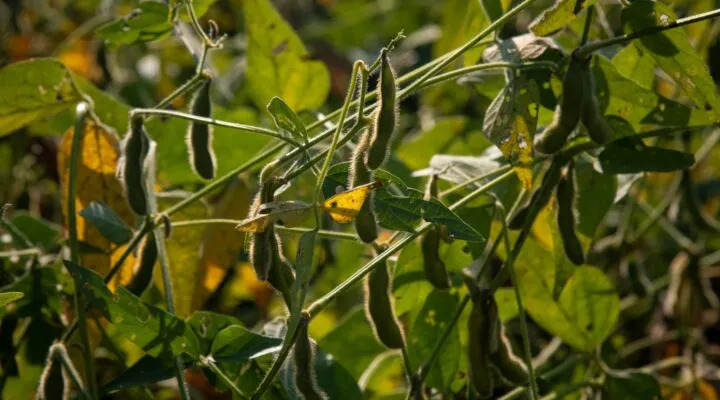
AMES, Iowa — As temperatures rise and snow begins to melt, farmers across the Midwest turn their attention to the upcoming planting season. While some aim to begin planting as early as possible, others prefer to wait for more favorable conditions. When it comes to soybeans, achieving high yield potential depends on balancing timely planting with sound agronomic decisions.
One important consideration is adhering to crop insurance earliest planting dates. In Iowa, corn can be planted as early as April 10, while soybean planting begins April 10 in southern regions and April 15 in central and northern areas. Planting before these dates makes crops ineligible for replanting coverage, making it essential for farmers to factor insurance guidelines into their planning.

Planting date plays a major role in soybean yield potential. Research from Iowa State University shows that earlier planting generally leads to higher yields, but it also introduces additional risks that must be managed carefully. Successful early planting begins with proper seedbed conditions. Soil temperatures at a 4-inch depth should be at least 50°F and rising, and planting should be avoided if significant rainfall is expected within 24 hours. Poor conditions can lead to soil crusting, which restricts emergence, or imbibitional chilling, where cold water uptake damages seeds and reduces stand establishment.
Because early planting increases the likelihood of seedling stress and mortality, adjusting management practices is critical. Farmers should expect lower emergence rates and consider increasing seeding rates by 10–20% to achieve target populations. Although emergence may take longer in cooler soils, sometimes up to three weeks, this delay does not typically reduce yield potential if stands are adequate.
Variety selection also plays a key role in early planting success. Choosing high-yielding varieties with strong early-season vigor helps improve establishment under challenging conditions. Full-season maturity varieties allow plants to utilize the entire growing season, increasing nodes per plant and seeds per pod. Additionally, using fungicide seed treatments can protect against common seedling diseases such as Fusarium, Pythium, Phytophthora, and Rhizoctonia, which are more prevalent in cool, wet soils.

While early planting carries some risk, delaying planting can also reduce yield potential. After May 20, soybean yields decline by approximately 0.62% per day, with greater losses occurring in higher-yielding environments. This highlights the importance of finding the right balance between planting early enough to capture yield benefits while ensuring conditions are suitable for strong crop establishment.
Ultimately, soybean production success comes from managing both opportunity and risk. By combining timely planting with thoughtful management practices, farmers can position their crops for a productive and profitable growing season.
–Leah Ten Napel, ISU Extension